Clear answers, gentle treatment. Diagnostic and operative keyhole laparoscopy designed to identify and correct hidden structural fertility barriers with minimal discomfort and fast recovery.
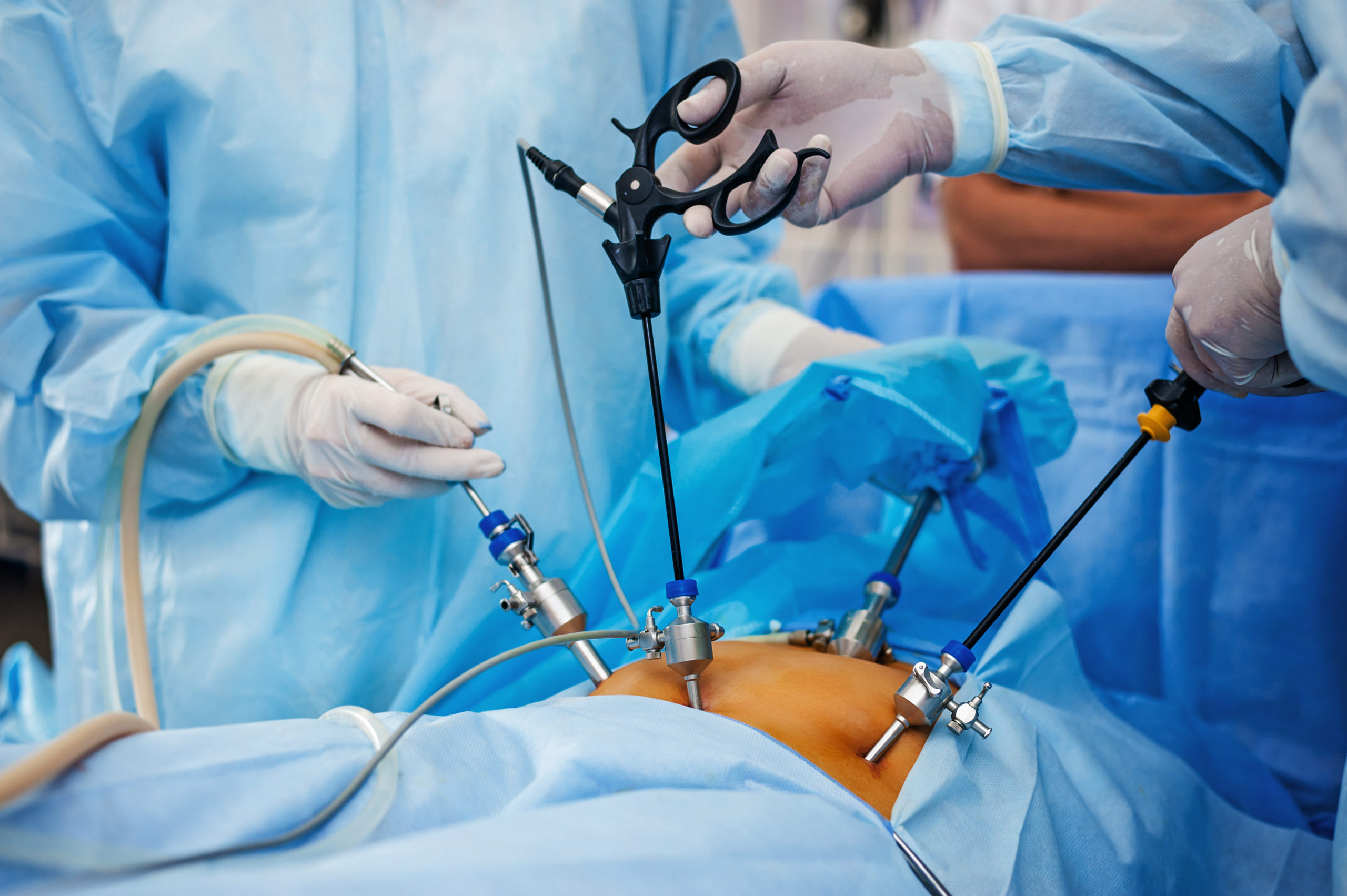
Laparoscopy (often called keyhole surgery) is a specialized, minimally invasive procedure used to visually examine your pelvic organs—including your uterus, ovaries, and fallopian tubes.
While ultrasound scans provide valuable images, laparoscopy is considered the ultimate gold standard for fertility evaluation. It allows Dr. Ravi Shankar to directly see and immediately treat physical barriers like tubal blockages, endometriosis, or ovarian cysts during the exact same procedure—paving a clear path toward a successful pregnancy.
Laparoscopy allows us to both diagnose hidden reproductive issues and correct them simultaneously, saving you valuable time on your fertility journey.
Consult Our SpecialistHow it Works: A tiny camera (laparoscope) is inserted through a miniature incision near the navel to inspect uterine structure and test fallopian tube patency.
Best Suited For: Identifying unexplained pelvic pain, suspected pelvic adhesions, or unconfirmed tubal blockage.
How it Works: Micro-instruments are inserted to immediately treat identified conditions during the same procedure without needing open surgery.
Best Suited For: Removing fibroids, treating endometriosis, clearing tubal blocks, or treating ovarian cysts (chocolate cysts).
Precision removal or cauterization of endometrial tissue growing outside the uterus.
Gentle extraction of uterine fibroids while preserving the uterine wall for pregnancy.
Safe removal of ovarian cysts or endometriomas while protecting your remaining healthy egg reserve.
Opening blocked fallopian tubes and removing pelvic scar tissue.
Targeted treatment for medication-resistant Polycystic Ovary Syndrome (PCOS) to encourage spontaneous ovulation.
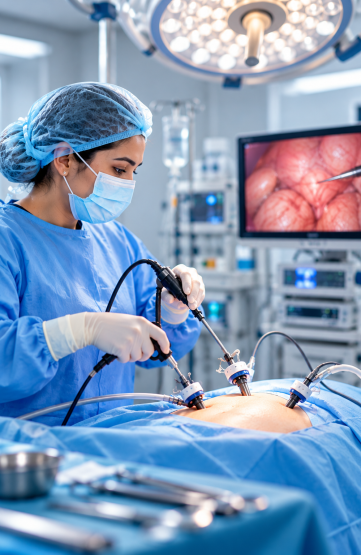
No. Laparoscopy is performed under general anesthesia, so you will be completely asleep and feel no pain during the procedure. Mild abdominal soreness or shoulder discomfort may occur for a couple of days afterward as gas used during surgery dissipates.
Most women resume light daily routine activities within 2 to 4 days and can return to work within a week.
Depending on whether minor corrections were made, Dr. Ravi Shankar will advise you on the optimal timing—often within 1 to 2 menstrual cycles following the procedure.
As with any surgical procedure, there are risks associated with laparoscopy, including bleeding, infection, damage to surrounding organs, and anesthesia complications. However, the risks of laparoscopy are generally lower than those associated with traditional open surgery.
We hope that you have found the information provided here helpful to you and we look forward to hearing from you. Please feel free to contact us for further support.