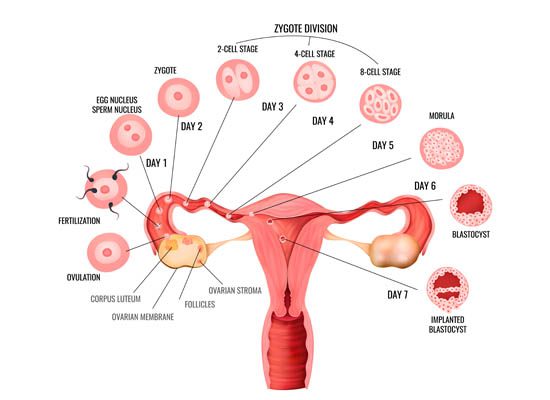
Bridging the gap to parenthood. Intrauterine Insemination (IUI) places washed, highly motile sperm directly into your uterus at your exact moment of ovulation—maximizing your chances of a successful pregnancy.
Intrauterine Insemination (IUI), often referred to as artificial insemination, is a straightforward, minimally invasive fertility procedure. It is frequently recommended as a first-line clinical treatment before considering more complex options like IVF.
In a natural cycle, only a small percentage of sperm complete the journey through the cervix into the fallopian tubes. With IUI, we perform an advanced laboratory "washing" process to extract the healthiest, most active sperm. This concentrated sample is then gently placed directly inside the uterine cavity right when an egg is released, dramatically shortening the path to fertilization.
Lower sperm count, borderline motility, or minor shape irregularities.
When standard fertility tests reveal no clear biological barrier for either partner.
Thicker cervical mucus that might prevent sperm from traveling naturally.
Using screened, washed donor samples for conception.
Combined with Ovulation Induction for women with PCOS or irregular cycles.

1. Cycle Baseline & Stimulation (Days 2–5):Mild oral medications or low-dose injections are prescribed to encourage 1 or 2 mature follicles to develop.
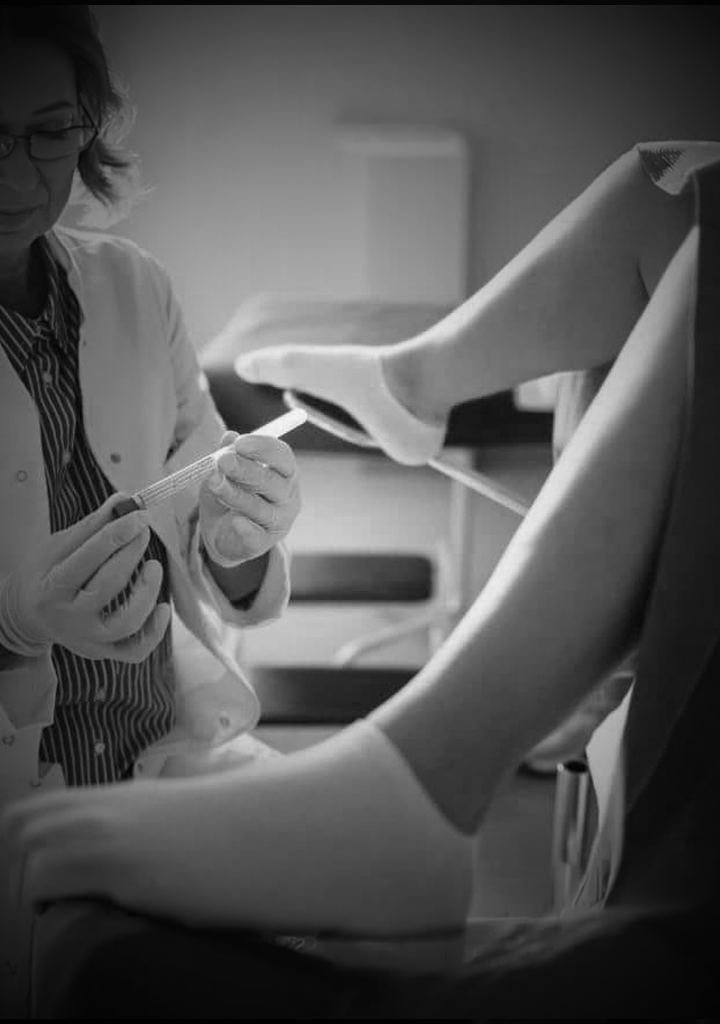
2. Ultrasound Tracking:Routine, quick transvaginal scans monitor follicle growth and measure endometrial lining depth. 3. Trigger Shot:Once the follicle reaches peak maturity (~18–20 mm), an injection triggers egg release within 36 hours. 4. Sperm Washing & Preparation: On IUI day, the sperm sample undergoes specialized density-gradient washing in our lab to isolate the most active, healthy sperm. 5. Insemination Procedure:A gentle, painless 5-minute procedure where the washed sample is placed into the uterus using a thin, flexible catheter. No anesthesia required. 6. Luteal Support & Pregnancy Test: Progesterone support is provided to assist implantation, followed by a pregnancy blood test 14 days later.
Ovulation induction with IUI involves using medication to stimulate the development and release of eggs from the ovaries, followed by the placement of washed and concentrated sperm directly into the uterus through a thin catheter.
The success rate of ovulation induction with IUI varies depending on several factors, including the age of the woman, the cause of infertility, and the number of insemination cycles undergone. In general, the success rate ranges from 10% to 20% per cycle.
The risks of ovulation induction with IUI include multiple pregnancies, ovarian hyperstimulation syndrome (OHSS), and ectopic pregnancy. There is also a small risk of infection and bleeding during the procedure.
The ovulation induction with IUI procedure takes about 10 to 15 minutes to complete.
Ovulation induction with IUI is generally not painful. Some women may experience mild cramping or discomfort during the procedure.
The number of cycles of ovulation induction with IUI recommended depends on the individual case. In general, fertility specialists may recommend up to three to six cycles before considering other treatment options.
We hope that you have found the information provided here helpful to you and we look forward to hearing from you. Please feel free to contact us for further support.