Inspect and optimize your uterine health from the inside. A gentle, incision-free endoscopic procedure to evaluate the womb, remove structural barriers, and improve embryo implantation success.
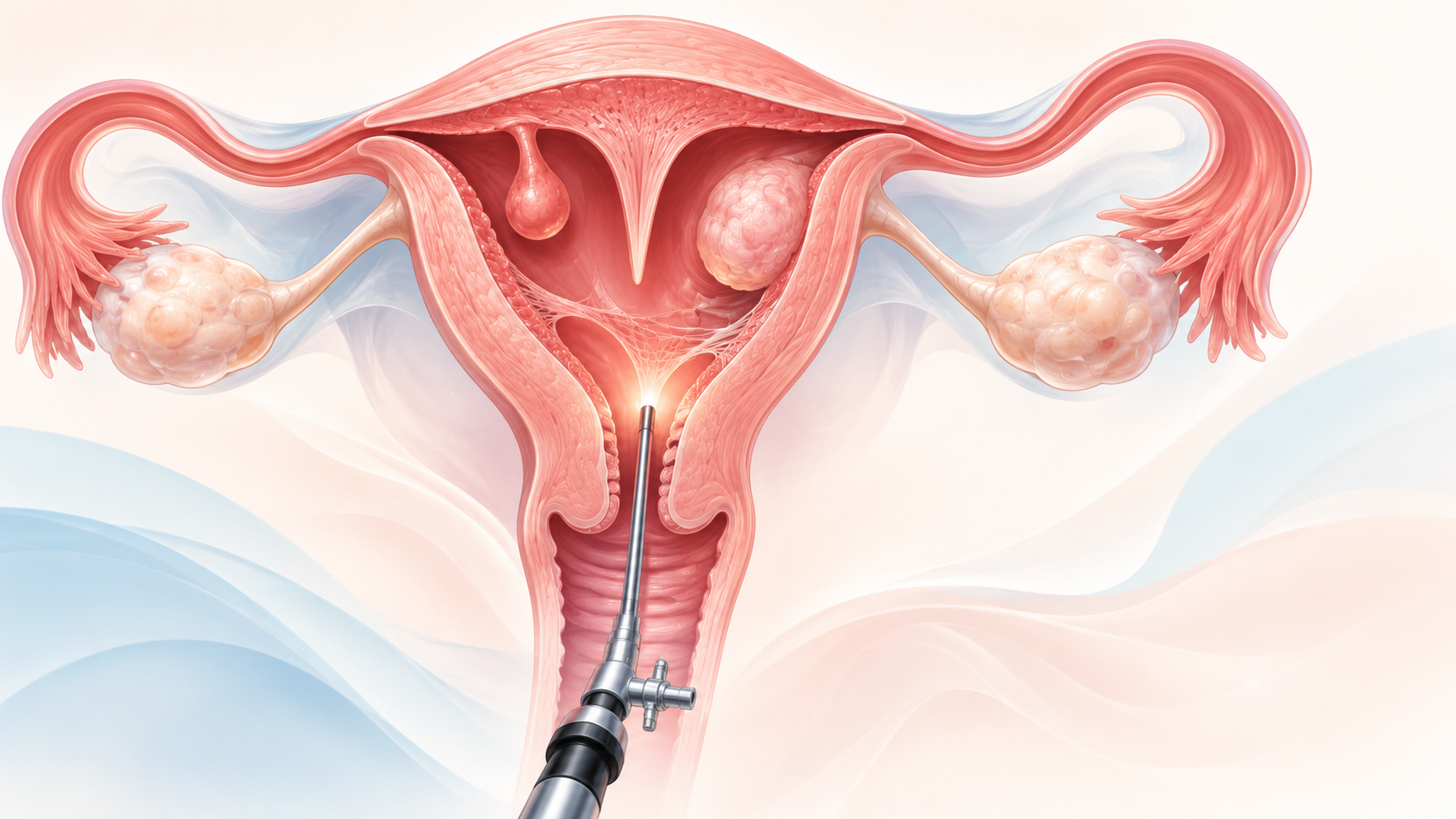
Unlike traditional surgical methods or external imaging scans, Hysteroscopy provides a direct, real-time visual view of the inside of your uterus (the uterine cavity).
Using a ultra-thin, lighted camera called a hysteroscope passed gently through the natural opening of the cervix, Dr. Ravi Shankar can inspect the lining of your womb without making any surgical incisions. It is a critical tool for detecting hidden structural defects, polyps, or scar tissue that might prevent an embryo from implanting or cause recurrent pregnancy loss.
Hysteroscopy allows us to both identify structural uterine issues and correct them during the same short procedure without leaving any external marks or scars.
Consult Our SpecialistHow it Works: A miniature scope is passed through the cervix into the uterus to inspect the cavity shape, fallopian tube openings (ostia), and endometrial lining health.
Best Suited For: Investigating unexplained abnormal bleeding, repeated IVF implantation failures, or recurrent miscarriages.
How it Works: Micro-instruments are guided through the hysteroscope to immediately repair or remove identified uterine abnormalities.
Best Suited For: Removing uterine polyps, submucosal fibroids, dividing a uterine septum (congenital wall), or clearing intrauterine adhesions (Asherman's Syndrome).
Precision removal of benign growths inside the cavity that interfere with embryo attachment.
Correcting a congenital tissue wall that divides the womb, significantly reducing the risk of miscarriage.
Gently clearing scar tissue caused by past infections or surgical procedures to restore a healthy menstrual flow and lining.
Cleaning the cavity to prepare a healthy environment for natural or assisted conception.
Ensuring the uterine cavity is completely clear and receptive before an embryo transfer.
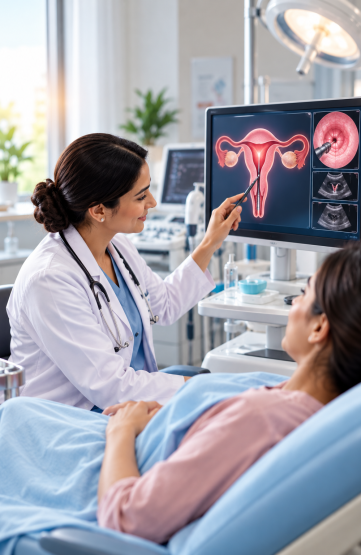
Diagnostic hysteroscopy causes minimal to no pain (often feeling like mild menstrual cramps). For operative hysteroscopy, gentle sedation or anesthesia is used so you remain entirely comfortable throughout the procedure.
No. Hysteroscopy is an outpatient daycare procedure. You will rest in our recovery area for 1 to 2 hours after the procedure and can go home the same day.
The procedure is typically scheduled during the first week after your period ends (Days 6 to 11 of your cycle), when the uterine lining is thin and provides the clearest view of the cavity.
Complications from hysteroscopy are rare, but may include bleeding, infection, or injury to the uterus or other organs. Your doctor will discuss potential risks and complications with you prior to the procedure.
There is no limit to the number of hysteroscopies that can be performed on a woman, provided there are no complications associated with the procedure. In some cases, hysteroscopy may need to be repeated if the underlying condition returns or if a new condition develops.
Hysteroscopy can be used to diagnose and treat a variety of conditions that can contribute to infertility. However, it may not be appropriate for all cases of infertility.
We hope that you have found the information provided here helpful to you and we look forward to hearing from you. Please feel free to contact us for further support.