Transforming hope into family. Combining state-of-the-art embryology labs with deeply personalized care to guide you safely through every stage of your IVF journey.
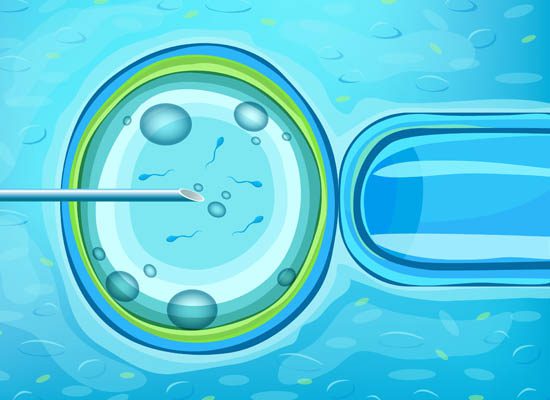
In Vitro Fertilization (IVF) is one of the most effective and reliable treatments in modern assisted reproductive technology. It involves gently retrieving mature eggs from the ovaries, fertilizing them with healthy sperm in our specialized embryology lab, and nurturing the resulting embryos before transferring the healthiest one back into the uterus.
At The Nest, we know that deciding to start an IVF cycle is a significant milestone. That is why we move away from "one-size-fits-all" procedures, designing every protocol around your specific biological needs, medical history, and emotional comfort.
Blocked, damaged, or previously tied fallopian tubes.
Very low sperm count, low motility, or structural challenges (often paired with ICSI or PESA/TESA).
Conditions where medication alone or IUI has not resulted in pregnancy.
Long-standing difficulty conceiving despite normal initial screening results.
Where maximizing quality egg selection is critical for a healthy pregnancy.
Couples who have tried multiple Ovulation Induction or IUI cycles without success.

1. Personalized Evaluation & Protocol Design:Comprehensive baseline scans, blood panels, and personalized mapping of your hormone stimulation schedule.
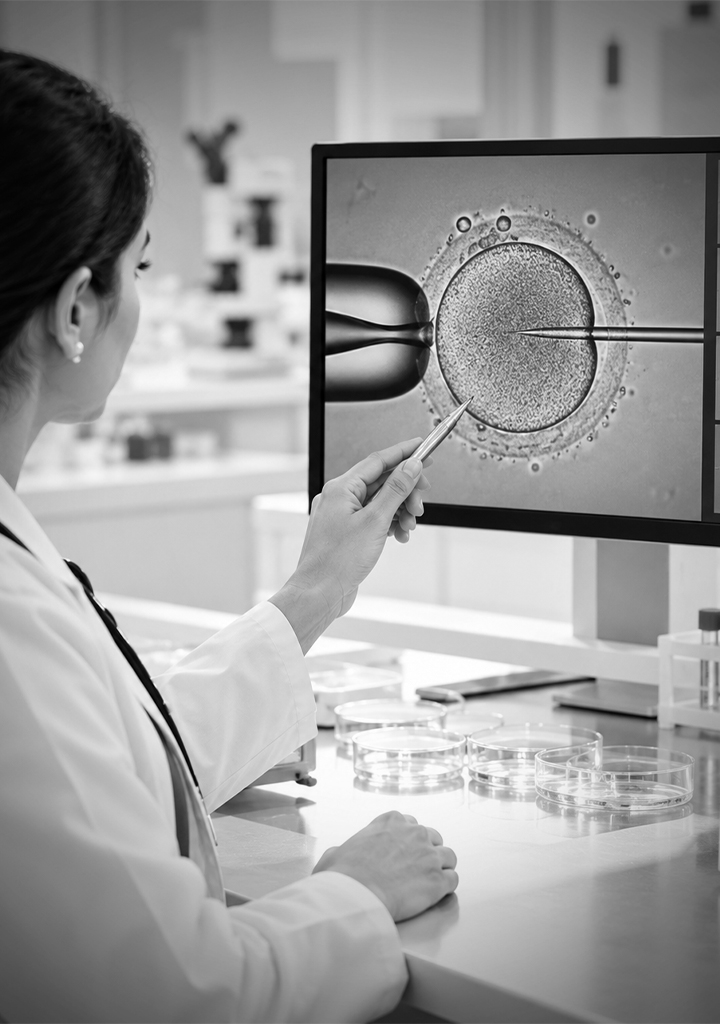
2. Ovarian Stimulation & Monitoring:Short-term hormonal medications encourage multiple follicles to mature safely, monitored closely by Dr. Ravi Shankar via quick ultrasound scans. 3. Painless Egg Retrieval & Sperm Collection:A quick, 15-minute minor procedure performed under gentle sedation to collect mature eggs while the sperm sample is prepared in the lab. 4. Lab Fertilization & Blastocyst Culture: Eggs and sperm are fertilized (via standard IVF or ICSI) and nurtured in our embryology incubator until they reach peak development (Day 3 or Day 5 Blastocyst). 5. Embryo Transfer:The healthiest embryo is placed gently inside the uterus using a fine catheter. This is a quick, completely painless procedure with zero recovery downtime required. 6. Luteal Support & Pregnancy Confirmation: Targeted hormonal support helps encourage implantation, culminating in a pregnancy blood test (Beta-hCG) 12–14 days later.
IVF may be recommended for couples who have been trying to conceive for a year without success, or for those who have specific fertility issues such as blocked fallopian tubes, endometriosis, or low sperm count. It is important to consult with a fertility specialist to determine if IVF is the best treatment option for your specific situation.
The IVF process can take several weeks to complete, including ovarian stimulation, egg retrieval, fertilization, embryo culture, and embryo transfer. The length of the process may vary depending on individual factors and treatment protocols.
Some of the risks associated with IVF include ovarian hyperstimulation syndrome (OHSS), multiple pregnancies, ectopic pregnancy, and miscarriage. It is important to discuss potential risks and benefits of treatment with a qualified fertility specialist before undergoing IVF.
It is recommended to maintain a healthy lifestyle before starting IVF, including a balanced diet, regular exercise, and avoiding smoking, alcohol, and recreational drugs.
Most women can continue to work during IVF treatment, although some may require time off for procedures such as egg retrieval or embryo transfer.
We hope that you have found the information provided here helpful to you and we look forward to hearing from you. Please feel free to contact us for further support.