Re-establish your natural cycle rhythm. We stimulate egg growth and time your conception window using simple oral tablets, precise hormone support, and routine ultrasound tracking.
For many women, the primary barrier to getting pregnant is inconsistent or missing ovulation (anovulation). Ovulation Induction is often the gentlest, most cost-effective first step in fertility care.
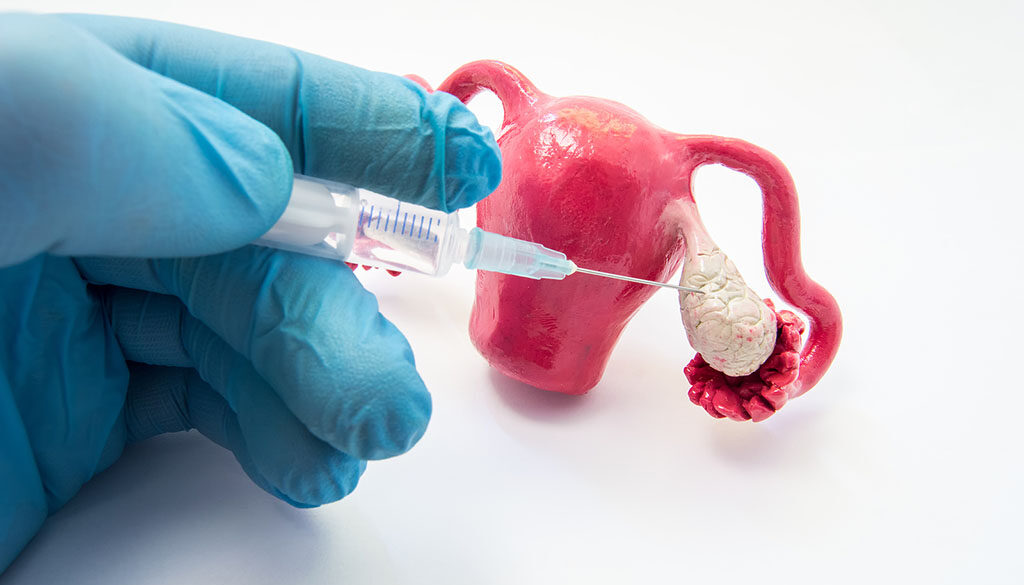
Using targeted medications (oral tablets or mild injections), we stimulate your ovaries to grow and release mature, healthy eggs. Combined with simple ultrasound tracking every few days, Dr. Ravi Shankar helps pinpoint your precise peak fertility window, giving you the best chance to conceive naturally at home or alongside IUI treatments.
Helps regulate hormonal imbalances and encourages consistent, monthly egg maturation.
Triggers predictable egg release when natural cycles are unpredictable or missing.
Boosts monthly odds by ensuring high-quality egg development and ideal uterine lining thickness.
Ensures mature eggs are ready precisely when insemination is scheduled.

1. Cycle Baseline Check (Days 2–3): A brief assessment and scan to confirm your ovaries are rested and ready to begin.
2. Targeted Medication Phase: You will take prescribed medications (such as Letrozole or Clomiphene Citrate) for a few days to stimulate follicle growth. 3. Ultrasound Monitoring:Every 3 to 4 days, we conduct quick scans to track follicle size and measure your endometrial (uterine) lining thickness. 4. Trigger & Timed Intercourse: Once the follicle reaches optimal maturity (~18–22 mm), a trigger shot ensures timely egg release, allowing you to plan timed intercourse at home with confidence.
Ovulation induction works by using medications to stimulate the production of follicle-stimulating hormone (FSH) and luteinizing hormone (LH), the hormones responsible for ovulation.
The most common medications used for ovulation induction include clomiphene citrate (Clomid), gonadotropins, letrozole (Femara), and metformin.
During ovulation induction, a woman's menstrual cycle is closely monitored with blood tests and ultrasound scans to determine the optimal time for conception.
The risks of ovulation induction include multiple pregnancies, ovarian hyperstimulation syndrome (OHSS), and ectopic pregnancy.
The success rate of ovulation induction depends on several factors, including the cause of infertility and the age of the woman. In general, the success rate of ovulation induction is around 20-60% per cycle.
We hope that you have found the information provided here helpful to you and we look forward to hearing from you. Please feel free to contact us for further support.