
Understanding IUI: A Simple, Effective Fertility Treatment

Nest
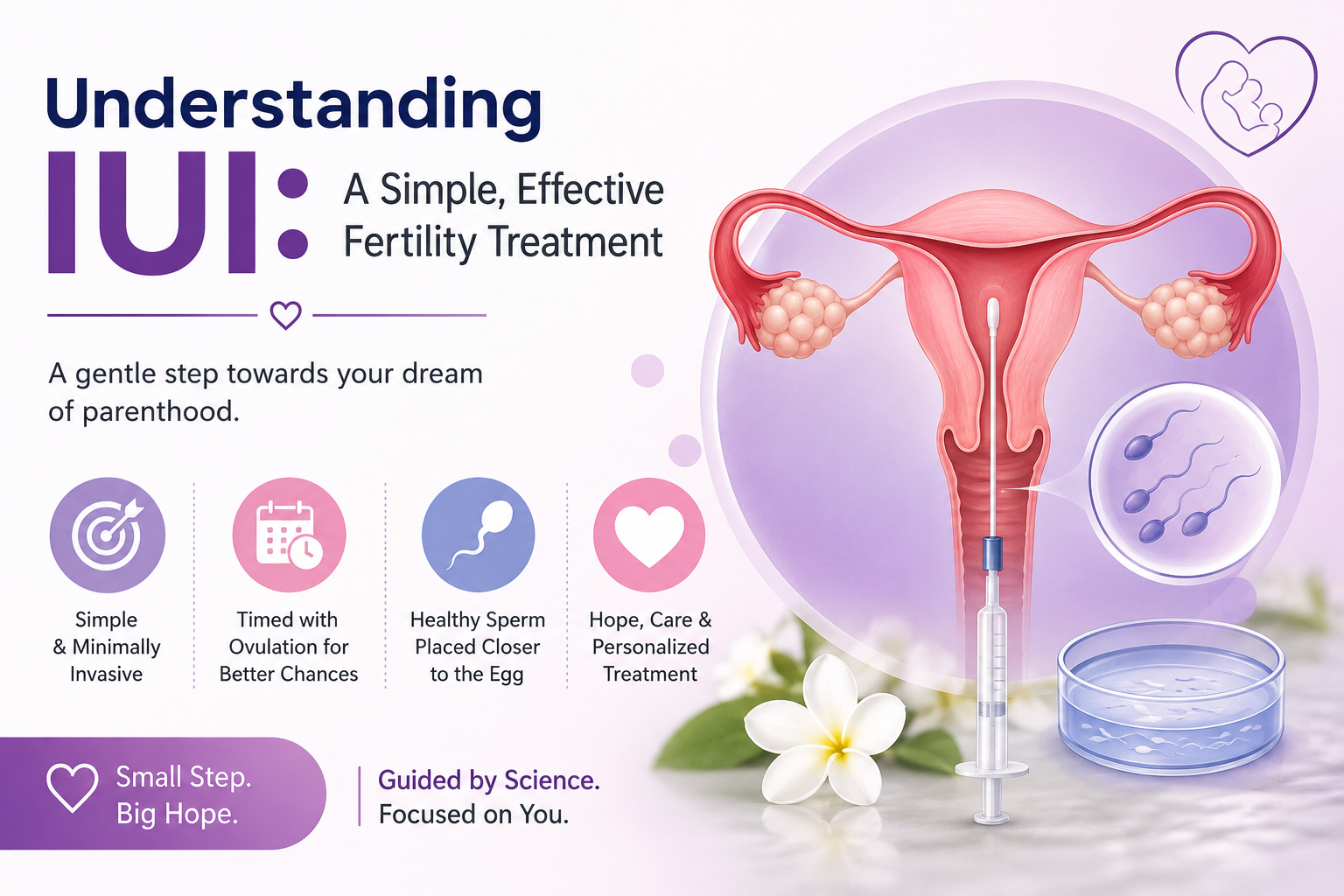
For many couples and individuals trying to conceive, the journey can feel overwhelming. Fortunately, modern reproductive medicine offers several options to help. One of the most commonly recommended and least invasive treatments is Intrauterine Insemination (IUI).
This guide explains what IUI is, who it’s suitable for, how the procedure works, and what you can expect.
What is IUI?
Intrauterine Insemination (IUI) is a fertility treatment in which specially prepared sperm is placed directly into a woman’s uterus around the time of ovulation. The goal is to increase the chances of sperm reaching the egg and achieving fertilization.
Unlike more advanced fertility procedures, IUI works with the body’s natural reproductive process while providing a helpful boost to improve the likelihood of conception.
Who is IUI Suitable For?
IUI is often recommended for individuals or couples with:
- Mild male factor infertility (low sperm count or reduced sperm motility)
- Unexplained infertility
- Cervical mucus problems
- Ovulation disorders (often combined with fertility medications)
- Single women or same-sex couples using donor sperm
For many patients, IUI is considered a first-line fertility treatment before moving to more advanced procedures such as IVF.
How Does the IUI Process Work?
The IUI procedure generally involves the following steps:
1. Ovulation Monitoring
The woman’s menstrual cycle is carefully monitored using ultrasound scans or ovulation predictor kits. In some cases, fertility medications are prescribed to stimulate egg development and improve the timing of ovulation.
2. Sperm Preparation
A semen sample is collected and processed in the laboratory. This process, known as sperm washing, concentrates the healthiest and most motile sperm while removing unnecessary components.
3. Insemination
At the optimal time, the prepared sperm is gently inserted into the uterus using a thin, flexible catheter. The procedure is quick, usually takes only a few minutes, and generally does not require anesthesia.
4. Two-Week Waiting Period
Following the procedure, patients wait approximately two weeks before taking a pregnancy test to determine whether implantation has occurred.
Is IUI Painful?
Most patients experience little to no pain during IUI. The procedure feels similar to a routine gynecological examination, although some women may experience mild cramping or slight discomfort for a short period afterward.
Success Rates
The success of IUI depends on several factors, including:
- Age of the woman
- Underlying cause of infertility
- Use of fertility medications
On average, the pregnancy rate ranges from 10% to 20% per treatment cycle, although individual results can vary significantly.
Advantages of IUI
- Minimally invasive procedure
- More affordable than advanced fertility treatments such as IVF
- Quick procedure with little or no recovery time
- Can be combined with ovulation induction medications for improved outcomes
Limitations of IUI
- Lower pregnancy rates compared with IVF
- Not recommended for severe male factor infertility
- Requires at least one healthy, open fallopian tube
How Many IUI Cycles Should You Try?
Many fertility specialists recommend attempting three to six IUI cycles before considering more advanced treatments such as IVF. However, the ideal treatment plan should always be individualized based on each patient’s age, medical history, and fertility evaluation.
Final Thoughts
IUI is a simple, effective, and accessible fertility treatment that has helped many individuals and couples achieve pregnancy. While it may not be the right solution for everyone, it often serves as an excellent first step in fertility care.
If you’re considering IUI, consult an experienced fertility specialist for a comprehensive evaluation and a personalized treatment plan tailored to your specific needs.
Every fertility journey is unique. Understanding your options empowers you to make informed decisions and take confident steps toward building your family.