
The Silent Struggle: Social Impact of Infertility in India

Nest
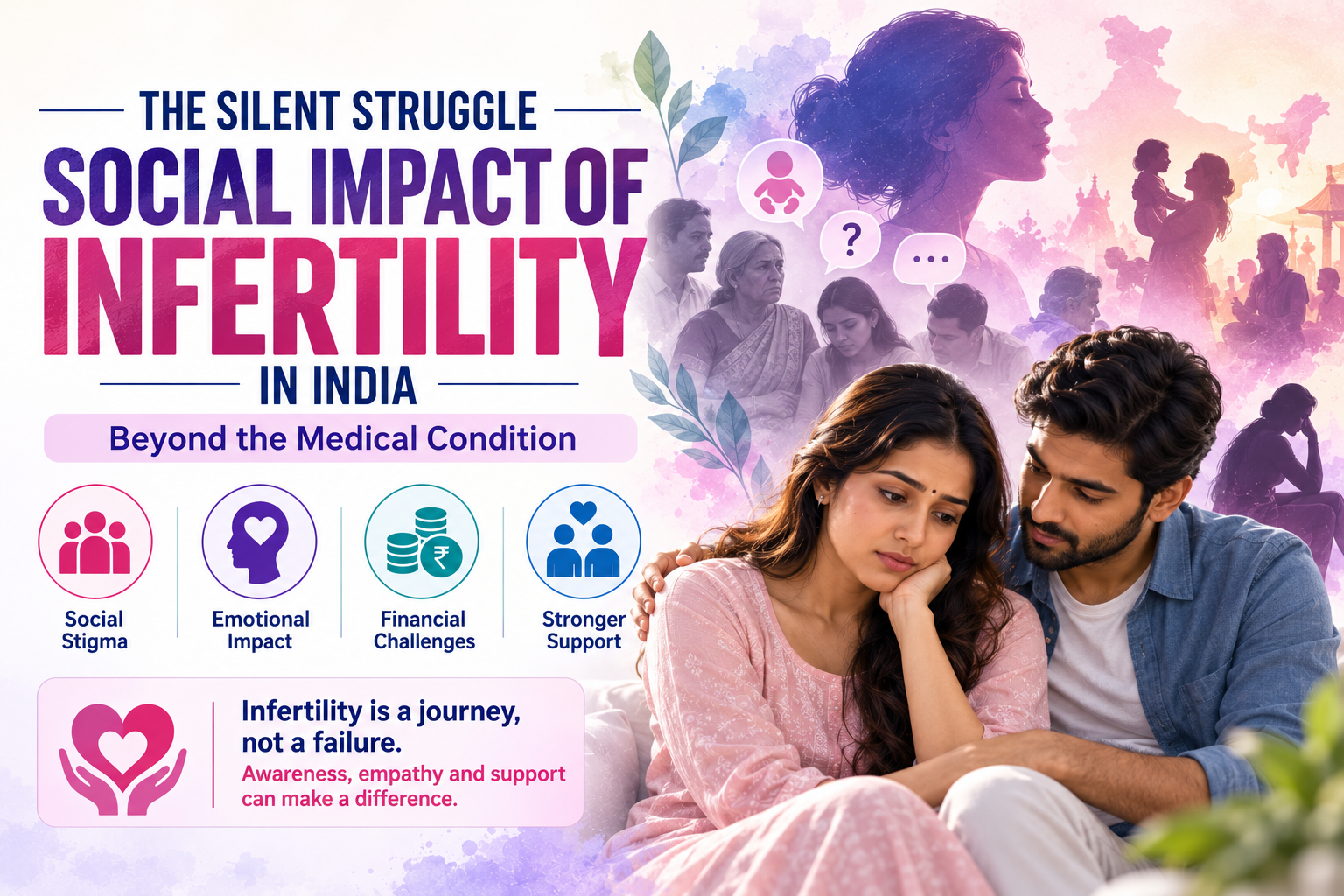
Infertility in India is far more than a medical condition—it is a deeply social, cultural, and emotional issue that affects millions of couples. While advances in reproductive medicine have made treatments more accessible, the societal burden of infertility continues to remain heavy, often unspoken, and deeply stigmatized.
The Scale of the Problem
Infertility affects a significant portion of the population in India. Studies estimate that nearly 10–15% of couples struggle with infertility, translating to millions of affected individuals nationwide.
Despite this, less than 1% seek medical help, largely due to stigma, lack of awareness, and financial barriers. This gap between prevalence and treatment highlights a critical issue: infertility is not just under-treated—it is under-discussed.
Social Stigma and Cultural Pressures
In Indian society, parenthood is often considered a natural and essential milestone of marriage. The inability to conceive is frequently viewed not as a health condition, but as a personal or social failure.
1. Women Bear the Brunt
Although infertility affects both men and women, it is overwhelmingly women who are blamed.
- Women are often labeled as “infertile” regardless of the actual medical cause.
- They may face exclusion from social gatherings or family functions.
- In extreme cases, they may experience marital instability or abandonment.
Cultural narratives frequently equate womanhood with motherhood, placing immense pressure on women to conceive.
2. Myths and Misconceptions
Infertility in India is still surrounded by several harmful myths:
- It is linked to “bad karma” or past actions.
- It is attributed to lifestyle choices without medical evidence.
- It is viewed as a curse or divine punishment.
Such misconceptions reinforce stigma and delay proper medical diagnosis and treatment.
3. Silence Around Male Infertility
Male infertility contributes significantly to infertility cases, yet it remains under-recognized. Social norms discourage men from discussing reproductive health, leading to:
- Delayed diagnosis.
- Emotional suppression.
- Misplaced blame on women.
Fortunately, awareness is gradually improving, with more men seeking fertility evaluation and counseling in recent years.
Psychological and Emotional Impact
Infertility can have a profound effect on mental well-being. Many couples experience:
- Anxiety and depression.
- Guilt and self-blame.
- Stress and frustration.
- Social withdrawal and isolation.
The emotional burden often becomes even greater after repeated treatment failures or constant pressure from family and society.
Financial Strain and Inequality
Fertility treatments, especially assisted reproductive technologies such as IVF, can be expensive. Since most treatments are paid out of pocket in India, many couples face:
- Significant financial stress.
- Depletion of savings.
- Limited access to quality fertility care, particularly in rural areas.
The high cost of treatment remains one of the biggest barriers to accessing infertility care.
Social Isolation and Relationship Strain
Infertility affects not only individuals but also relationships and family dynamics. Couples often experience:
- Pressure from parents and relatives to have children.
- Marital stress caused by blame, misunderstandings, or repeated treatment failures.
- Social exclusion from gatherings centered around children and parenting.
Many individuals gradually withdraw from social interactions to avoid uncomfortable questions or unsolicited advice.
Changing Trends: A Shift in Awareness
Despite longstanding stigma, positive changes are beginning to emerge across India.
- Growing public awareness through healthcare campaigns.
- Increased discussions about fertility on social media and mainstream media.
- Greater acceptance of assisted reproductive technologies.
- More couples seeking medical evaluation earlier than before.
Public figures sharing their fertility journeys have also encouraged more open conversations and helped reduce stigma.
The Way Forward
Addressing infertility requires not only medical treatment but also meaningful social change.
- Normalize conversations about fertility and reproductive health.
- Encourage early fertility evaluation for both partners.
- Integrate psychological counseling into fertility care.
- Improve affordability and insurance coverage for fertility treatments.
- Educate communities to dispel myths and reduce discrimination.
Conclusion
Infertility in India is a silent struggle shaped by cultural expectations, social stigma, emotional challenges, and financial burdens. While reproductive medicine continues to advance, true progress depends on creating a society where empathy replaces judgment, awareness replaces misconceptions, and support replaces stigma.
By encouraging open conversations and ensuring access to compassionate, evidence-based care, we can help millions of couples navigate infertility with dignity, hope, and confidence.