

The Role of Hormones in Female Fertility
The Basics of Female Hormones
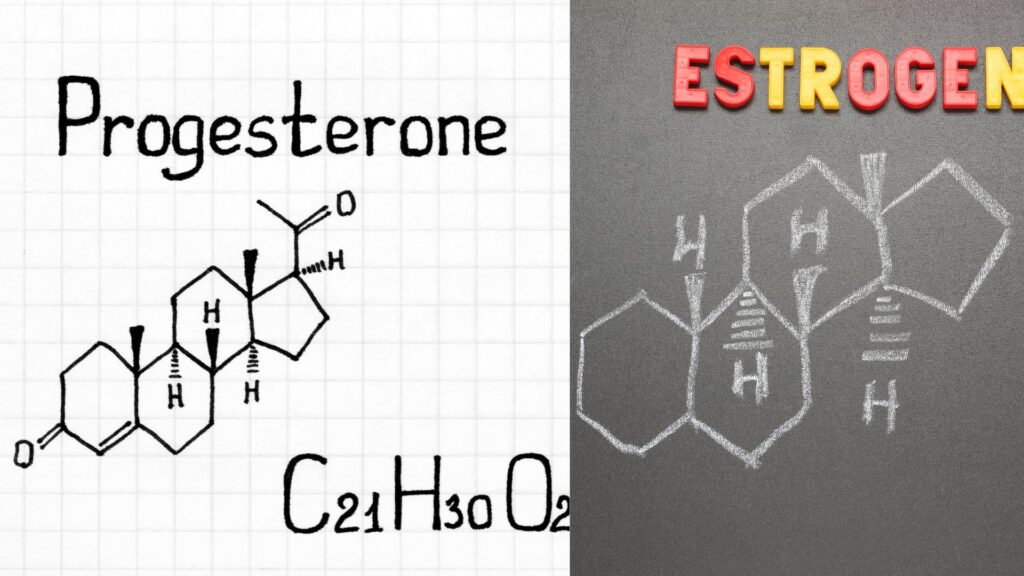
Female fertility is largely governed by hormones like estrogen and progesterone, which regulate the menstrual cycle and ovulation. Follicle-stimulating hormone (FSH) promotes egg development, while luteinizing hormone (LH) triggers ovulation. A balanced hormonal environment is essential for healthy reproduction, making an understanding of these hormones critical for women seeking to conceive.
Hormonal Imbalances and Their Impact
Hormonal imbalances can disrupt the menstrual cycle and affect fertility. Conditions like polycystic ovary syndrome (PCOS) often lead to elevated androgen levels, causing irregular ovulation. Stress, weight changes, and unhealthy lifestyles can exacerbate these imbalances, hindering a woman’s ability to conceive. Recognizing these signs can help women take proactive measures for better reproductive health.

The Menstrual Cycle and Ovulation
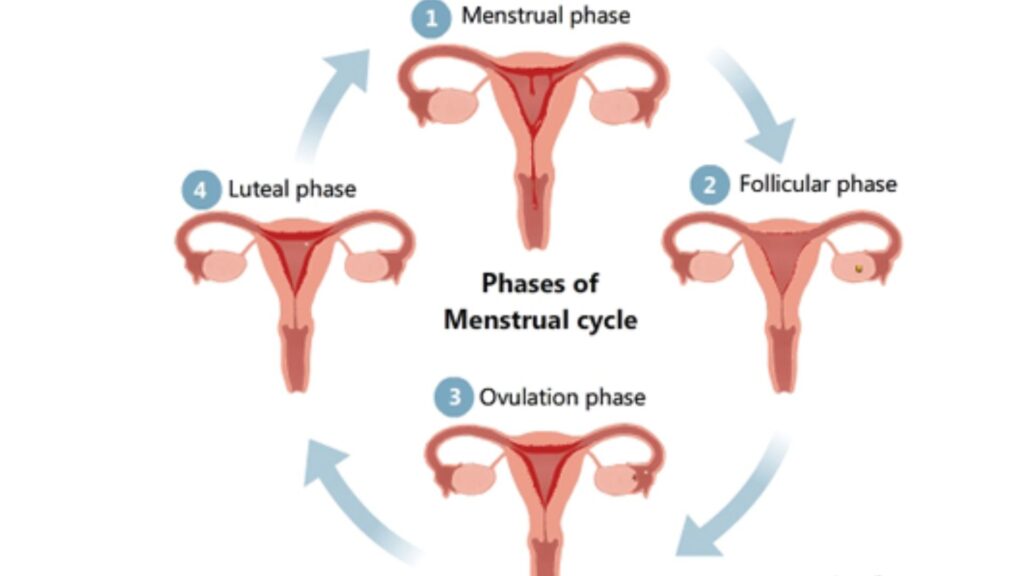
After ovulation, progesterone levels rise, preparing the uterus for potential pregnancy. This hormone thickens the uterine lining, making it receptive to a fertilized egg. If pregnancy does not occur, progesterone levels drop, triggering menstruation. For women trying to conceive, maintaining healthy progesterone levels is vital, as low levels can lead to implantation failures or miscarriages.
The Influence of Thyroid Hormones
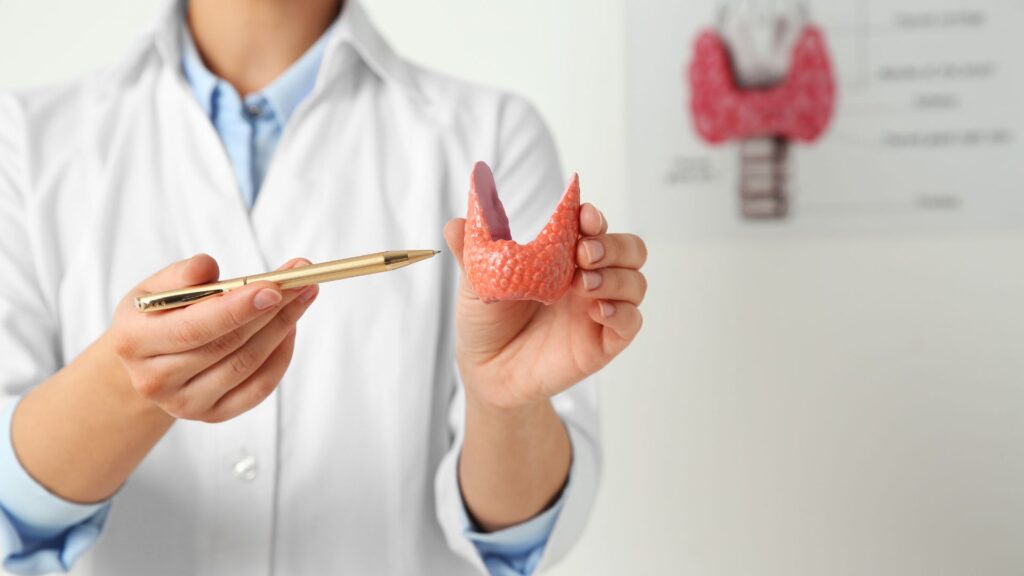
Thyroid hormones play a critical role in regulating metabolism and reproductive health. Both hypothyroidism and hyperthyroidism can negatively impact menstrual cycles and fertility. A well-functioning thyroid is essential for ovulation, and any imbalance can hinder a woman’s ability to conceive. Regular monitoring of thyroid levels is crucial for women planning to become pregnant.
Lifestyle Choices and Hormonal Health
Lifestyle choices significantly influence hormonal health. A balanced diet, regular exercise, and stress management can promote hormonal balance, supporting fertility. Foods rich in antioxidants and healthy fats can enhance reproductive health, while excessive stress can lead to hormonal fluctuations. By making informed lifestyle choices, women can create a supportive environment for fertility.

Seeking Professional Help
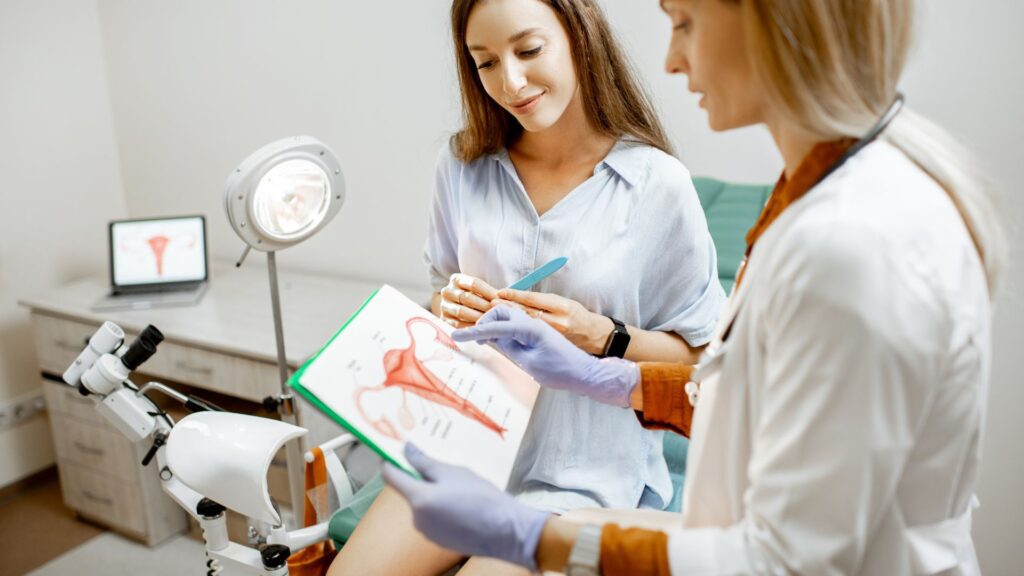
If hormonal issues persist, seeking professional help is vital. Fertility specialists can conduct tests to assess hormone levels and identify underlying conditions. Treatments may include medication, lifestyle modifications, or assisted reproductive technologies, depending on the diagnosis. Women should feel empowered to seek guidance to address hormonal imbalances and enhance their chances of conception.
Understanding the role of hormones in female fertility is crucial for addressing reproductive health. Hormonal balance significantly impacts ovulation, menstruation, and overall fertility. By recognizing the influence of hormones, women can take proactive steps toward improving their fertility, ultimately enhancing their chances of conception and a healthy pregnancy.
Start Your Parenthood Life
“Contact us today, and we will gladly provide our special consulting services.”